Social-emotional learning · Schools · Universities

Emotional education:
lessons + workbooks + teaching guide

Short video lessons to learn about emotions, a workbook to practice for 31 days, and a teaching guide that lays out every session. Delivered as one set so teachers can run it without extra preparation, by the semester, as a one-month unit, or over a break.

Apply now

Four fields. We will email a quote, the teaching guide and a sample.

37
video lessons
18
paired workbooks
3
formats: semester, month, break
EN · KO
same structure

Why now

A ready social-emotional program for the whole class, with lessons and plans teachers can use tomorrow.

01

Built for every student

A universal lesson for the whole class, alongside the extra support some students need.

02

Clear competencies

Widely used SEL frameworks name self-awareness, self-management, social awareness, relationship skills and responsible decision-making. This program works on self-awareness, self-management and help-seeking.

03

Little time to prepare

Teachers need lessons and plans that run in a single class period without specialist training.

SEL competencies and this program

Self-awarenessEmotions & Mindfulness course · Emotions, Self-Esteem and Anger workbooks
Self-managementStress and Anxiety courses · midpoint small plans
Help-seekingBody signals and a personal list of support resources

What the research shows

What changes when schools teach social-emotional skills, from peer-reviewed psychology research.

Violence and bullying

Evidence

A meta-analysis of 213 school-wide SEL programs (270,034 students) found fewer conduct problems, less emotional distress and more positive social behavior among participants.

Durlak et al., 2011, Child Development ↗

What changes in this program

Students practice noticing anger before acting, using a pause phrase, and telling a peer how they feel, working on the step before conflict turns into harm.
Academic performance

Evidence

The same meta-analysis found an 11-percentile-point gain in achievement, with classroom teachers delivering programs effectively. A follow-up meta-analysis of 82 programs found benefits lasting from six months to 18 years.

Durlak et al., 2011 ↗ · Taylor et al., 2017, Child Development ↗

What changes in this program

Students work through exam stress and anxiety in writing and learn to return to focus, freeing energy for learning.

Newcomer adjustment

Evidence

For immigrant students, school adjustment and achievement run through a sense of belonging, and culturally responsive SEL is one way schools support newcomer adjustment and belonging.

Schachner et al., 2017, PISA six countries ↗ · Scoping review of programs for newly arrived youth ↗

What changes in this program

Students write homesickness and loneliness first in a home language, then name it in English or Korean and share feeling words with classmates. Having a place to speak builds belonging.

Naming feelings and writing

Evidence

Putting feelings into words reduces amygdala response to emotional images. The workbooks are built on naming and writing about feelings every day.

Lieberman et al., 2007, Psychological Science ↗

What changes in this program

Vague moods become specific feeling words, and students notice feelings before they escalate.

This program itself has not yet been evaluated in an outcome study. It is built from elements with research support: whole-class SEL, naming feelings, daily writing and teacher social-emotional competence.

Three parts, one set

1

Lessons

37 videos

How emotions work, mindfulness, stress and anxiety, in 3–7 minute videos you can play in class.

2

Workbooks

18 titles · EN/KO

One page a day for 31 days on the same topic, with a two-week midpoint reflection and a one-month review.

3

Teaching guide

Session plans

For each session: goal, opening question, videos, activity, workbook pages, closing and safety notes. Print and use.

View the teaching guide →

Full support, from adoption to student lessons

Research shows teachers' social-emotional competence and wellbeing shape classroom climate and SEL quality, so teacher learning and care are built into the program.

  1. 1

    Adoption

    • Program design for your grades, size and calendar
    • Quotes, purchasing paperwork and budget guidance
    • Teaching guide and review sample
  2. 2

    Teacher learning + care

    • Teachers take the emotion course first (Emotions & Mindfulness, Emotion Fluency certificate)
    • Practice sessions with the teaching guide
    • A Stress & Burnout workbook for teachers themselves
    • Referral to credentialed counselors or coaches when needed
  3. 3

    Student lessons

    • Video lessons + workbooks + session plans
    • Questions answered during delivery
    • Help compiling results for program reporting

A mindfulness-based program for teachers improved emotion regulation, reduced psychological distress and raised emotional support in classrooms. Jennings & Greenberg, 2009, Review of Educational Research ↗ · Jennings et al., 2017, Journal of Educational Psychology ↗

Your questions, answered

What would I teach with?

37 video lessons, 18 workbooks and a 30-session teaching guide, as one set.

We have no specialist

Play the lesson and follow the plan into the workbook. Facilitator-led delivery can be arranged.

Screening, privacy, complaints?

No clinical scale items. Printed workbooks need no student data.

Will it fit our calendar?

Choose a 16-week semester, a four-week unit, or a three-week break program.

Newcomer and international students?

Matching English and Korean editions; students may write first in a home language.

How do we report results?

Days written, midpoint and one-month reviews, and feeling-word lists.

By audience

Newcomer & multilingual students

Why

Homesickness, loneliness and stress in a new language and school are hard to put into words. With less vocabulary, students have fewer chances to say how they feel.

How it runs

A six-month after-school course (weekly, 60 min) or a break program. Students may write first in a home language or draw; sessions share only feeling words.

Intended outcomes

  • A growing vocabulary for naming feelings
  • A habit of putting homesickness and loneliness into writing
  • A personal list of people and services to reach out to

Benefits

  • StudentsA safe place to say what is hard to say
  • TeachersRun it across languages with videos, workbooks and plans
  • Schools & districtsA ready program for newcomer and EL support

K-12 schools

Why

Schools are asked to support social-emotional learning and student wellbeing, yet ready-to-teach materials and session plans are scarce, and screening-based approaches do not fit a whole class.

How it runs

The semester program weekly in advisory, homeroom or health class; the one-month unit for wellness weeks; the break program for summer or winter.

Intended outcomes

  • Students describe their feelings with a wider vocabulary
  • A five-minute daily writing habit
  • Noticing stress signals and making small plans

Benefits

  • StudentsAn emotions class everyone can join, with no screening
  • TeachersUse the plans as written and save preparation time
  • SchoolsNo student data needed, with workbook artifacts for reporting

Colleges & universities

Why

First-year transition, academic stress, loneliness and homesickness often come before anyone visits the counseling center. Students need tools they can use on their own first.

How it runs

Counseling center groups (semester or one month), pre-college transition (break program), first-year seminars, residence life and international student services.

Intended outcomes

  • A habit of working with stress and anxiety in writing
  • Recognizing one's own recurring emotional patterns
  • Knowing where to turn for help

Benefits

  • StudentsA self-care tool before and alongside counseling
  • Counseling centersReady group-program content and session plans
  • UniversitiesThe same program for domestic and international students in EN and KO

Choose a format: semester · one month · break

Every format pairs video lessons with the workbook on the same topic. Teachers can play the lesson in class and continue in the workbook; facilitator-led delivery can also be arranged.

Core

Semester program

One semester · 16 weeks · weekly 40–50 min

24 video lessons + 4 workbooks

Advisory and SEL classes, after-school, college first-year and counseling groups

WhenVideo lessonsWorkbook
Weeks 1–4Emotions & Mindfulness, week 1 · 6 lessonsEmotions
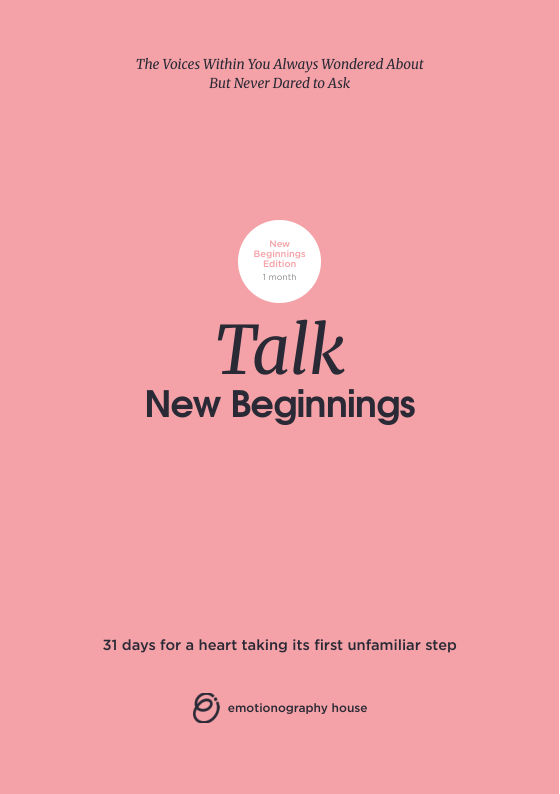
Weeks 5–8Emotions & Mindfulness, week 2 · 6 lessonsNew Beginnings
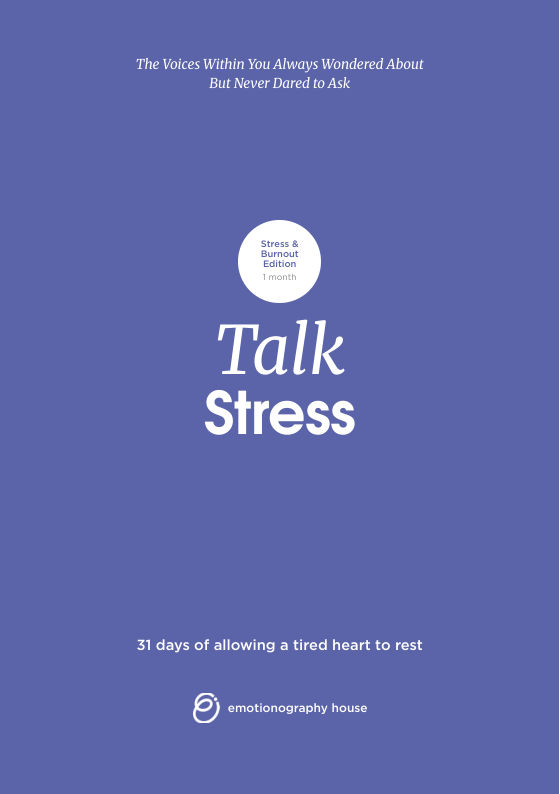
Weeks 9–12Stress & Emotions 101 · 6 lessonsStress
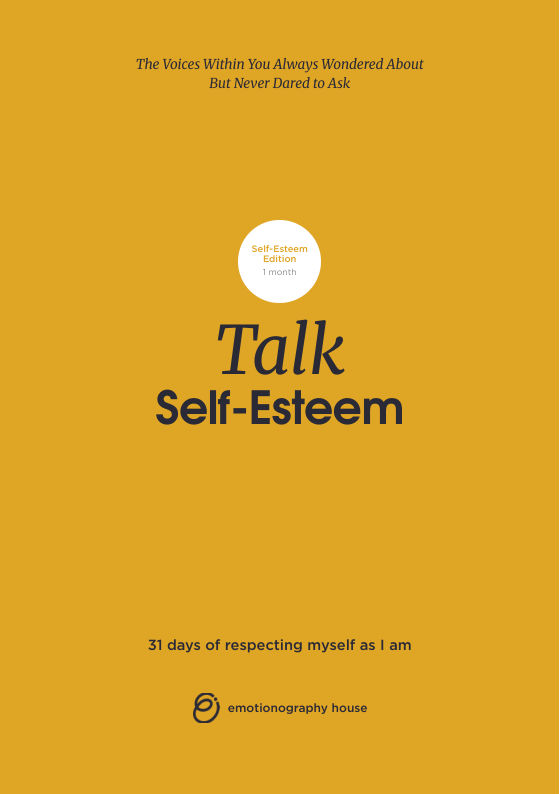
Weeks 13–16Emotions & Mindfulness, week 3 · 6 lessonsSelf-Esteem

Near exams, swap weeks 5–8 for the Anxiety course (5 lessons) and workbook. Two semesters make a full-year program.

Request a quote for this formatTeaching guide for this format →

One-month program

4 weeks · 1–2 sessions a week, 20–40 min

5–6 video lessons + 1 workbook

Wellness weeks, a focused month, a pilot before adoption

WhenVideo lessonsWorkbook
Week 1Lessons 1–2 · DAY 1–7Workbook on the same topic
Week 2Lessons 3–4 · DAY 8–14
Week 3Lesson 5 · midpoint reflection · DAY 15–21
Week 4Lesson 6 · DAY 22–31 · one-month review

Pick one topic, such as Stress & Emotions 101 with the Stress workbook, or the Anxiety course with the Anxiety workbook.

Request a quote for this formatTeaching guide for this format →

Summer or winter break

3 weeks · 3 sessions a week · 9 sessions

6 video lessons + 1 workbook for the month

Summer school and camps, pre-college transition, newcomer student programs

WhenVideo lessonsWorkbook
Week 12 lessons · emotion chart · write DAY 1 togetherWorkbook on the same topic
Week 22 lessons · five minutes of writing at home
Week 32 lessons · midpoint reflection
Back at schoolOne-month review session

Students finish the 31-day workbook over the break and close with the one-month review when school starts.

Request a quote for this formatTeaching guide for this format →

Journals belong to the students. In sessions, invite them to share feeling words and reflections rather than what they wrote.

Newcomer & multilingual students

A six-month after-school program: feelings in a new school and a new language

An after-school course that helps students put words to homesickness, loneliness, and stress that build up in an unfamiliar school and language. Start with one semester and extend to a full year.

Grades 4–9
recommended
60 min weekly
about 20 sessions
1 book / month
5–6 workbooks in six months
EN · KO
matching page structure

Workbook order across six months

  1. 1Emotions
  2. 2New Beginnings
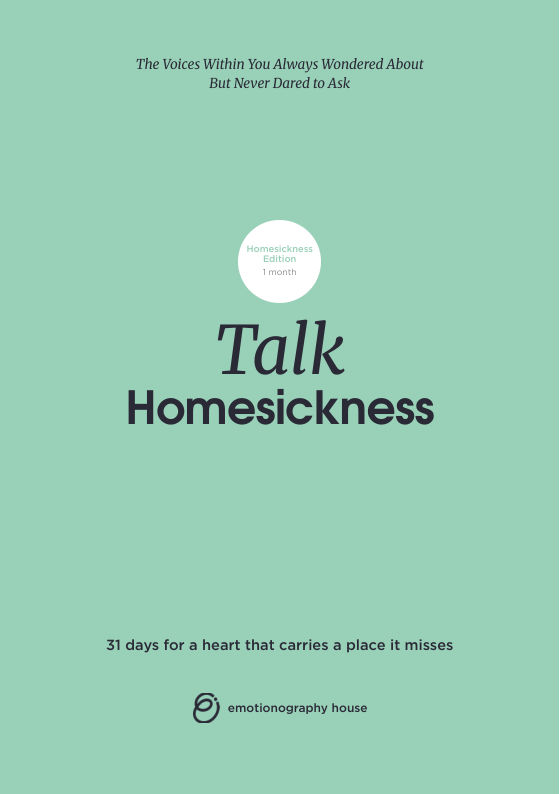
  3. 3Homesickness
  4. 4Loneliness
  5. 5Self-Esteem
  6. 6Anger

One 60-minute session

  1. 10 minA short lesson on today's feeling
  2. 20 minWrite one workbook page (writing first in a home language is welcome)
  3. 20 minShare feeling words with a partner
  4. 10 minOne small action to try before next week

Extending to a year: add five or six workbooks in the second semester, with family sessions and staff training.

Request a quote for this program

What you can see after running it

These are activity artifacts for program reporting; they are never used for diagnosis. Students own their writing and choose what to share.

Topics: each course with its workbook

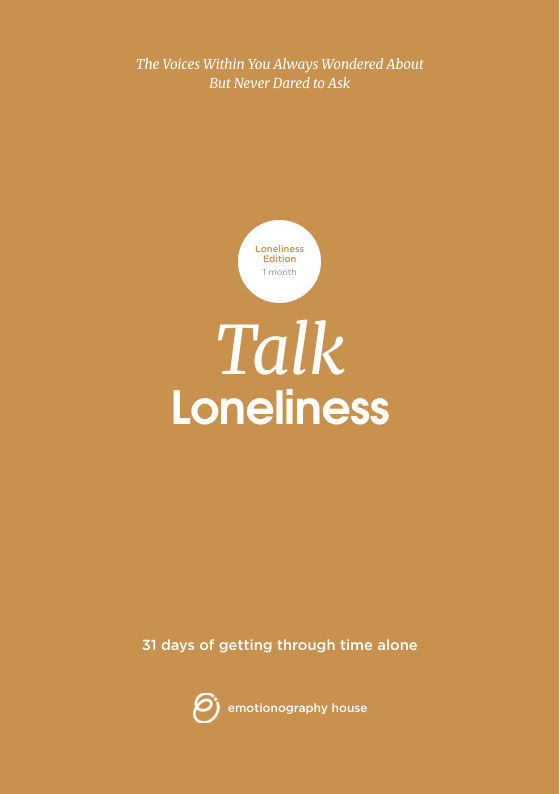
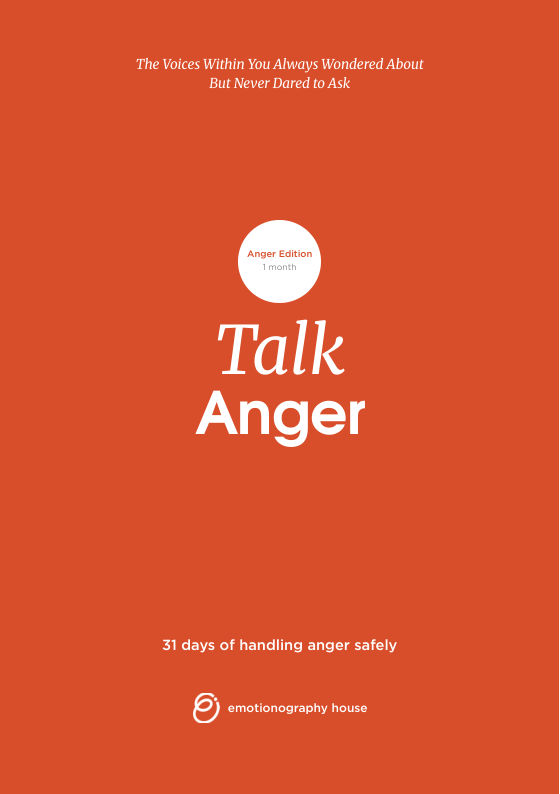
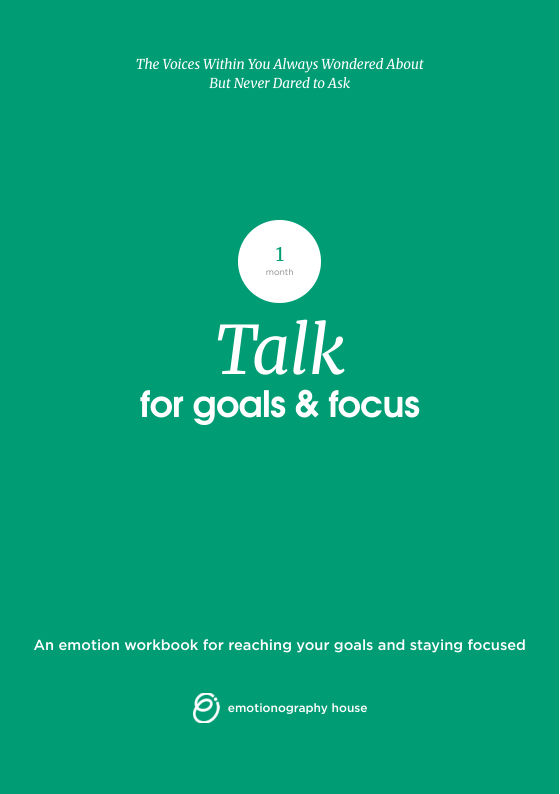
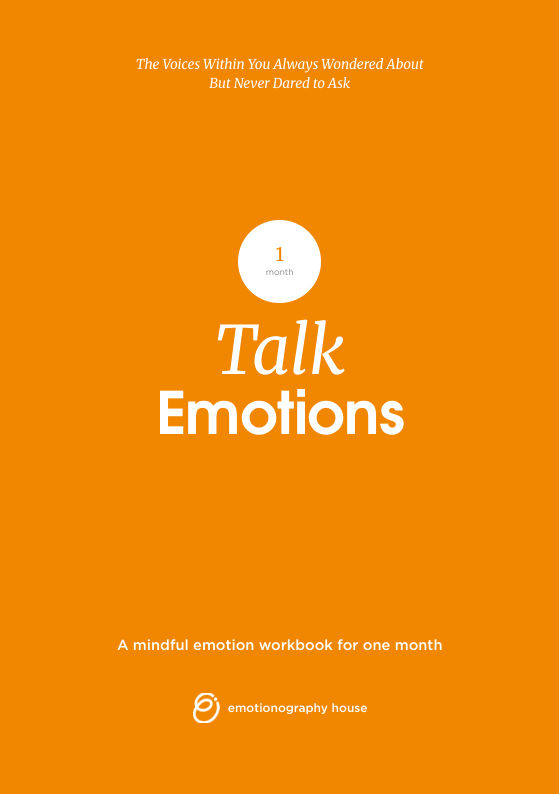
Six books we suggest for whole-class use

Five books best used one-on-one with a counselor

The Depression, Panic, PTSD, OCD and ADHD editions touch on diagnostic topics, so we suggest using them with individual students in counseling rather than handing them to a whole class.

See all 18 →

Licenses

We quote by group size, term, and number of books. English and Korean editions can be combined.

Class or group

One class or one group program

  • Choose semester, one-month, or break format
  • Video lesson access + printable workbooks
  • Session plan included
Quote

School or department

A whole school, department, or center

  • Several classes or grades at once
  • One year · two semesters
  • All video courses and web workbooks by arrangement
Quote

District or campus-wide

Multiple schools or offices

  • Scope and term by arrangement
  • Rollout materials provided
  • Staff access to Academy courses by arrangement
Quote

How purchasing works

  1. Request a quote

    Tell us your institution and group size below.

  2. Quote and sample

    We send a quote, the overview, and a sample PDF for review.

  3. Approval

    We work with quotes, invoices, and purchase orders.

  4. Payment

    Pay by card through Stripe or by invoice.

  5. Delivery

    We deliver the files with your license terms.

Who makes this

We share sound knowledge about emotions in the simplest way, so people can take ownership of their feelings and live happier, steadier lives.
Understand

We check the psychological evidence and translate it into usable language.

Express

We help people put feelings into words and find the context of their lives.

Connect

When needed, we connect people to professionals whose credentials we have verified.

Jeongyun Hur · Founder & CEO

Senior Researcher, Education Research Institute, Seoul National University. She founded Emotionography to turn psychological knowledge into language anyone can use, and to carry that understanding into education and services.

  • Ph.D., Spiritually Integrated Psychotherapy — Claremont School of Theology
  • M.Div. — Yale Divinity School

About Emotionography ↗

Request a quote

We will email a quote and a sample PDF.

You can also reach us by email
emotionography@my-emo.com

Workbooks of interest

Purchasing questions

We need to use our own purchasing process.

Tell us what your office requires and we will prepare the paperwork to match.

Can one PDF be shared with many students?

Yes, within your institution license. A personal purchase is for one person.

We also need the Korean edition.

We can include both editions in one license.

Can staff use it for professional development?

Access to Emotionography Academy courses for staff can be arranged with your license.

Can the school see what students write?

With printed journals, students keep their own writing. We recommend sharing feeling words and reflections rather than entries.

Bring emotional education to your schoolQuote · teaching guide · sample by emailApply