Social-emotional learning for schools & universities

Emotional education a class can run tomorrow:
lessons, workbooks, session plans

Choose a 16-week semester, a four-week unit, or a break program. Review the session plans and a sample, then fit it to your calendar.

Get the adoption kit by email

A teacher’s guide preview, how the month runs and pricing, in one place.

Where are you viewing from?

Lessons + workbooks + plans

What middle & high schools faceWhat changes
  1. Conflict and bullying

    Students practice pausing when angry and putting feelings into words, before conflict turns into harm

  2. Exam stress and lost focus

    Exam anxiety is worked through in writing, and students learn to return to focus

  3. Feelings kept inside

    Students write it out before a counseling visit and list where they can ask for help

  4. Tired teachers

    Teachers learn first, get support, and teach from ready plans

What you have afterwardsDays written per studentOne-month reviewsFeeling-word listsA program report
173
video lessons
19
paired workbooks
3
formats: semester, month, break
EN · KO
same structure

What you gain

What middle & high schools gain

  • Students

    A writing habit for handling exam and peer stress

  • Teachers & counselors

    Ready plans for counseling weeks and bullying prevention

  • School

    Everyone joins with no screening; workbooks document the program

A purpose statement for your approval memo

To expand social-emotional learning and support bullying prevention and student mental health, we propose running an emotions program of video lessons, workbooks and session-by-session plans.

We email the quote, session plans, a review sample and our business registration together.

Included with the web option

Web care connection

No student who needs more support
slips through

When students write in the web workbook, hard moments reach the right teacher or counselor. Universal social-emotional learning connects naturally to targeted care.

  • Students ask first

    An "I want to talk to a teacher" button inside the workbook. Students decide.

  • Crisis-signal alerts

    Crisis language alerts only the counselor your school designates, with prior consent and your crisis procedures.

  • Grade and class trends

    See common feeling words and writing rates anonymously. No one is identified.

  • Journals stay private

    Teachers do not read what students write. We only help the connection happen.

Institutions choose print (no student data) or web (with care connection). We set up counseling contacts and alerts for each institution at adoption, with student (and where needed guardian) consent and a data-processing agreement.

Ask about the web option

The set

One set, supported all the way

1

Lessons

173 videos

How emotions work, mindfulness, stress and anxiety, in 1–9 minute videos you can play in class.

2

Workbooks

19 titles · EN/KO

One page a day for 31 days on the same topic, with a two-week midpoint reflection and a one-month review.

3

Teaching guide

Session plans

For each session: goal, opening question, videos, activity, workbook pages, closing and safety notes. Print and use.

  1. AdoptionProgram design · quotes and paperwork
  2. Teacher learning + careTeachers take the course first · a workbook for teachers · referral when needed
  3. Student lessonsLessons + workbooks + plans · questions answered · results compiled

Formats

Choose a format: semester · one month · break

Every format pairs video lessons with the workbook on the same topic. Teachers can play the lesson in class and continue in the workbook; facilitator-led delivery can also be arranged.

Core

Semester program

One semester · 16 weeks · weekly 40–50 min

24 video lessons + 4 workbooks

Advisory and SEL classes, after-school, college first-year and counseling groups

WhenVideo lessonsWorkbook
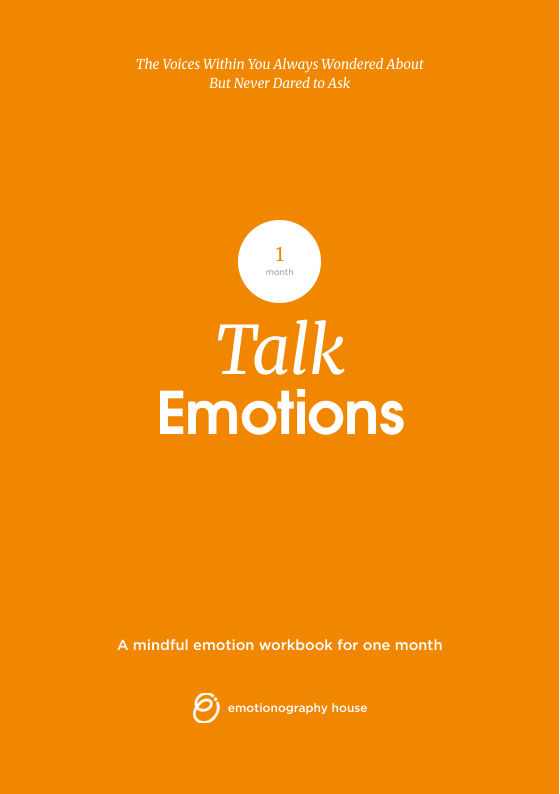
Weeks 1–4Emotions & Mindfulness, week 1 · 6 lessonsEmotions
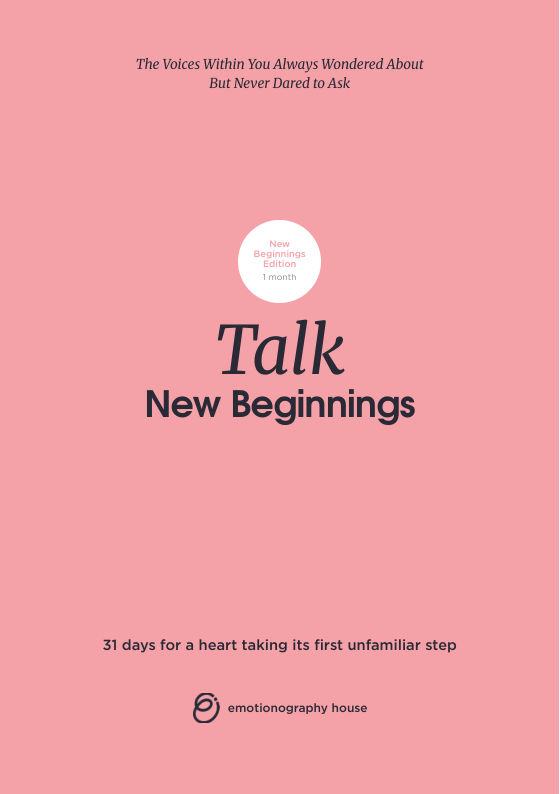
Weeks 5–8Emotions & Mindfulness, week 2 · 6 lessonsNew Beginnings
Weeks 9–12Stress & Emotions 101 · 6 lessonsStress
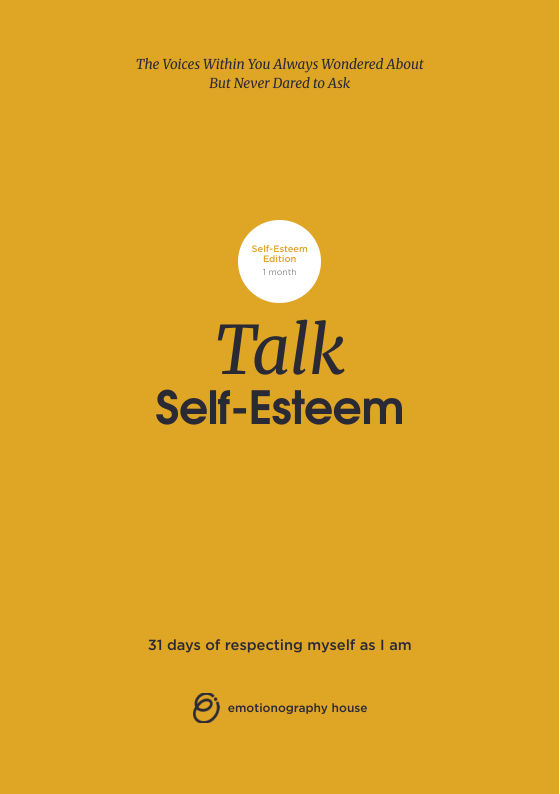
Weeks 13–16Emotions & Mindfulness, week 3 · 6 lessonsSelf-Esteem

Near exams, swap weeks 5–8 for the Anxiety course (5 lessons) and workbook. Two semesters make a full-year program.

Request a quote for this formatTeaching guide for this format →

One-month program

4 weeks · 1–2 sessions a week, 20–40 min

5–6 video lessons + 1 workbook

Wellness weeks, a focused month, a pilot before adoption

WhenVideo lessonsWorkbook
Week 1Lessons 1–2 · DAY 1–7Workbook on the same topic
Week 2Lessons 3–4 · DAY 8–14
Week 3Lesson 5 · midpoint reflection · DAY 15–21
Week 4Lesson 6 · DAY 22–31 · one-month review

Pick one topic, such as Stress & Emotions 101 with the Stress workbook, or the Anxiety course with the Anxiety workbook.

Request a quote for this formatTeaching guide for this format →

Summer or winter break

3 weeks · 3 sessions a week · 9 sessions

6 video lessons + 1 workbook for the month

Summer school and camps, pre-college transition, newcomer student programs

WhenVideo lessonsWorkbook
Week 12 lessons · emotion chart · write DAY 1 togetherWorkbook on the same topic
Week 22 lessons · five minutes of writing at home
Week 32 lessons · midpoint reflection
Back at schoolOne-month review session

Students finish the 31-day workbook over the break and close with the one-month review when school starts.

Request a quote for this formatTeaching guide for this format →

Journals belong to the students. In sessions, invite them to share feeling words and reflections rather than what they wrote.

Recommended by audience

Teaching guide

A session plan, previewed

All 30 sessions follow this format. Print and use.

Session 1Emotions · DAY 1–7
Goal
Notice and name feelings, and start a five-minute daily writing habit.
Key ideas
Over three weeks, this course covers how emotions work, mindfulness, and the space between emotion and action. / Today's goal is to understand how emotions work and to know my own patterns.
Opening question
“Even when different things happen, why do I keep reacting with the same feelings?”
Activity
Introduce the emotion chart → write DAY 1 together → agree on a five-minute daily writing time
Workbook
DAY 1–7: Identifying Our Emotions Honestly / Giving Ourselves the Freedom to Express / Resolving to Recognize Our Emotions …
Prompts
  • Which moment in today's lesson felt like your own story?
  • What one word names the feeling that came up most this week?

See all 30 session plans →

Evidence

Research behind the approach

Findings from research on social-emotional learning.

Whole-class SELMeta-analysis of 213 programs: fewer conduct problems and less distress; +11 percentile points in achievementDurlak et al., 2011 ↗
Lasting effects82 programs followed up: benefits from six months to 18 yearsTaylor et al., 2017 ↗
Naming feelingsPutting feelings into words reduces amygdala responseLieberman et al., 2007 ↗
Newcomer adjustmentSchool belonging links adjustment and achievementSchachner et al., 2017 ↗
Teacher SELTeacher training improved emotion regulation and classroom emotional supportJennings et al., 2017 ↗

Apply

Request a quote

Request → quote and sample → approval (quote, invoice, PO) → card or invoice payment → file delivery

emotionography@my-emo.com

Made by Emotionography, led by Jeongyun Hur (Senior Researcher, Seoul National University Education Research Institute). We turn psychological evidence into education anyone can use. About Emotionography ↗

Apply for a one-month pilot

Apply and our team will call you. Requests are high right now, so please allow about a day.

Adoption kitSent to your inbox right awayGet the kit